
Welcome to my Level Design Portfolio
With a passion for creating immersive and engaging game worlds, I specialize in crafting levels that challenge players while telling a compelling story. My experience in gameplay programming and overall game design gives me a holistic approach to level design, ensuring that each environment is not only visually stunning but also mechanically sound.
From concept to completion, I focus on balancing aesthetics, flow, and player experience, delivering levels that are both fun to explore and satisfying to master. Whether it’s a sprawling open world or a tightly designed puzzle environment, my goal is to create memorable experiences that keep players coming back for more.
Explore my work below to see how I bring ideas to life through thoughtful design and attention to detail.
Conceptualization

Mood board for a city center level in “Dreadmoon”
This was one of many mood boards constructed for “Dreadmoon” during the beginning stages of level design. The goal for this level was to create a sense of claustrophobia and vulnerability with tight streets while also allowing for a more open experience if the player utilized the rooftops for navigation.
Initial Ideas and Inspiration
When we start talking about a game we don’t just grab something from nothing. We take inspiration from different games, art, architecture and stories to help us develop our creative vision. Putting together story boards and mood boards to help figure out the general style is a great way of doing this. You can also play games that are similar to what you’re trying to create to see what other developers did to solve different problems and utilize unique game mechanics.
Sketching and Flowcharts
After getting the general idea for what mechanics, objectives and feelings we are looking for within a level I start sketching and creating flowcharts with level beats that give me a general idea of what the level will do. This is the fastest way to get some ideas on paper and start reasoning where certain level beats should go and how to arrange level order. I’ve found that this part is worth spending a decent amount of time on since we haven’t made anything yet. It’s easier to iterate on ideas when you haven’t committed to anything yet, but its also harder to tell what is going to work best in implementation if you don’t have working prototypes.
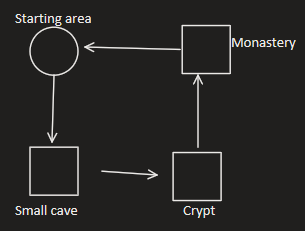

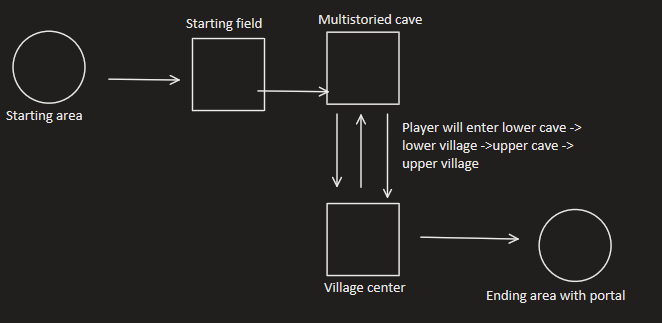
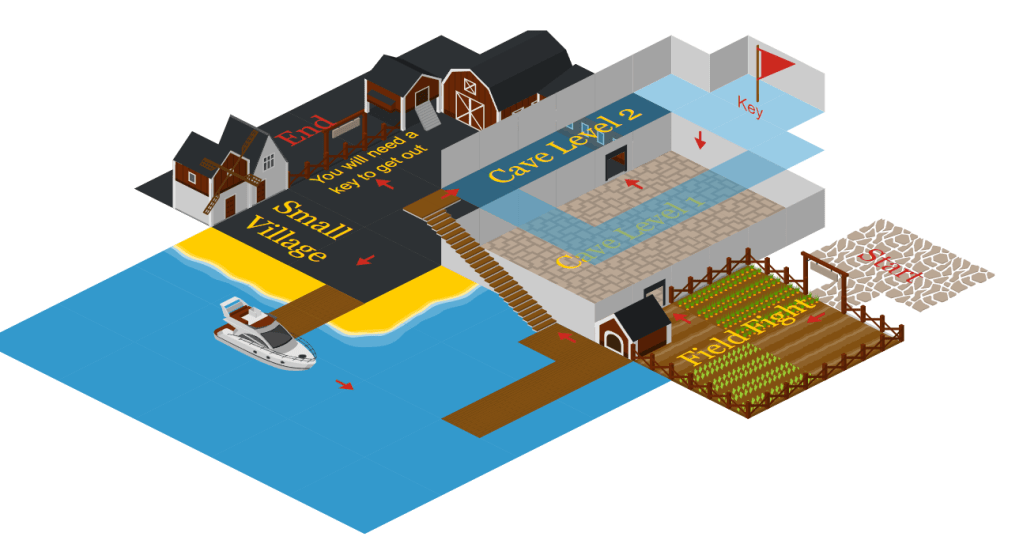


Flowcharts and quick models of levels
These are the earliest flowcharts and sketches of the first three levels in “Dreadmoon.” You can see how I go from the general flow chart to more dynamic models that give a better idea of how the player should move through the space. At this point I received a lot of feedback to iterate on and polish the ideas going into the prototyping step.
Prototyping
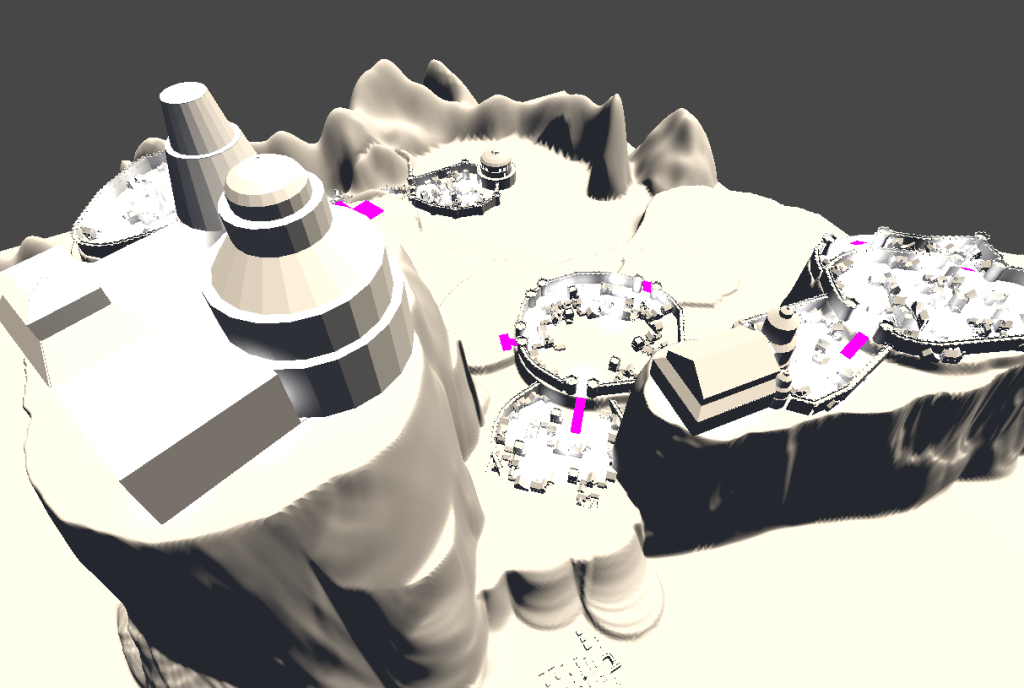

Early white boxed levels for first person shooter
These are very early iterations of campaign levels for “Dreadmoon.” The initial idea for these levels was to have a more open world type of game play that encouraged exploration and discovery. With that in mind, the levels started out with large layouts and wide areas for possible enemy encounters.
White boxing
At this stage we can finally start working in engine to bring some of the ideas to life and see how they work! The goal for this stage is to create something rough and playable, nothing too polished, because everything is still subject to change at this point. Most of the time this can be achieved with just cubes, but for more complex shapes I’ve used tools like ProBuilder to create some quick geometry for testing. Generally I’m looking to establish scale, flow, and usability of the space so that it fits the goals set for the level. For example, if we want to create a multiplayer space that promotes close combat, having too many open spaces is bad. Instead, we want to create leading paths that are themselves decently sized for combat, but we want these to lead to main areas where players will spend the majority of their time.
Playtesting and iteration
This stage is when we find out what really works with the mechanics and gameplay that we have developed and are heading towards. Often times we have preconceptions with what our game will feel like, but it ends up taking turns along the road that lead to something different. This stage is all about following the fun and leaning into the parts of the gameplay that we find interesting. Since our white boxed levels are still really easy to change, it doesn’t take much time to quickly make new versions of levels that apply the lessons we learn from playtesting. We still have to be really flexible with ideas because sometimes things just don’t work with our mechanics or desired gameplay style. If we are too rigid with our ideas, then we will end up with levels that feel disconnected from the gameplay. And on the other hand, this can inform ideas about features that might be desired by the player based on the level design. For example, if you have large areas to fight in with multiple entrances for enemies to enter, it might be interesting and useful to give the player some kind of consumable area control like a grenade. This perfectly illustrates how mechanics influence level design and vise versa!
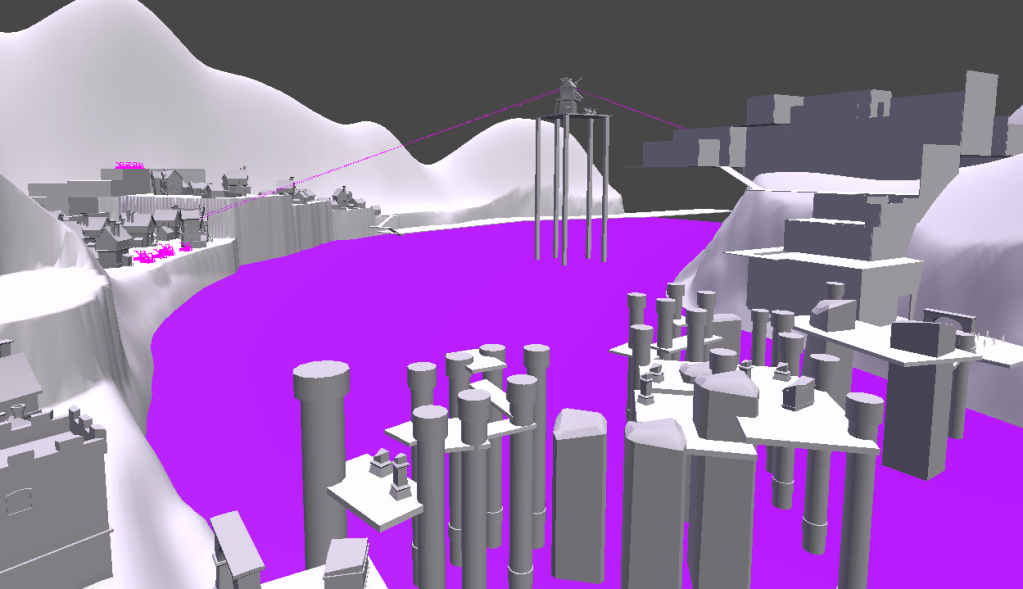

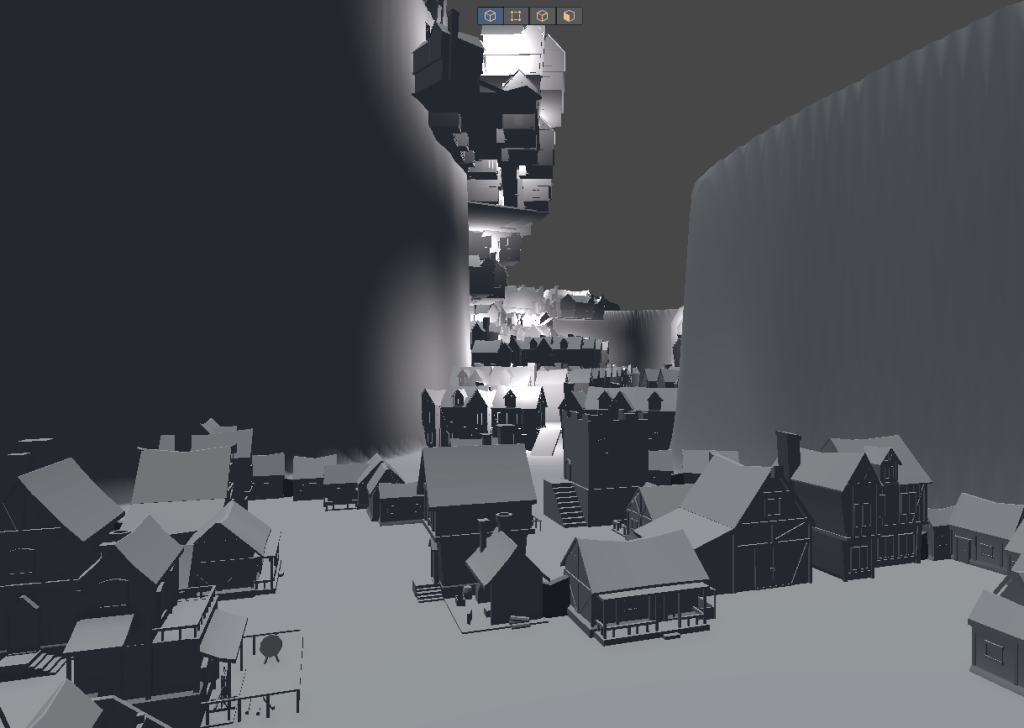
Experimentation and playtesting
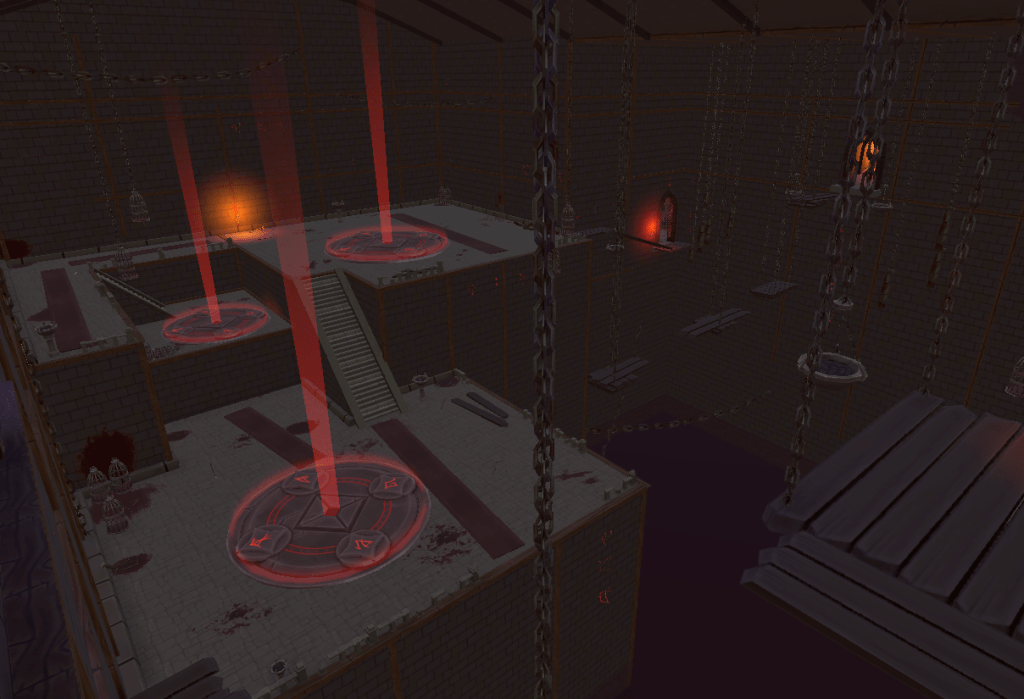
Throughout the development of “Dreadmoon” we found that it was exciting and fun to play off the ground. This idea led to more of a emphasis in level verticality and combat platforming. In these pictures you can see how the design started involving more sections with platforming and vertically varying features. Also during iteration we found that gameplay felt too long and spread out, so we did two things: sped up the player, and decreased the length of pathing between major level beat areas.
Detailing
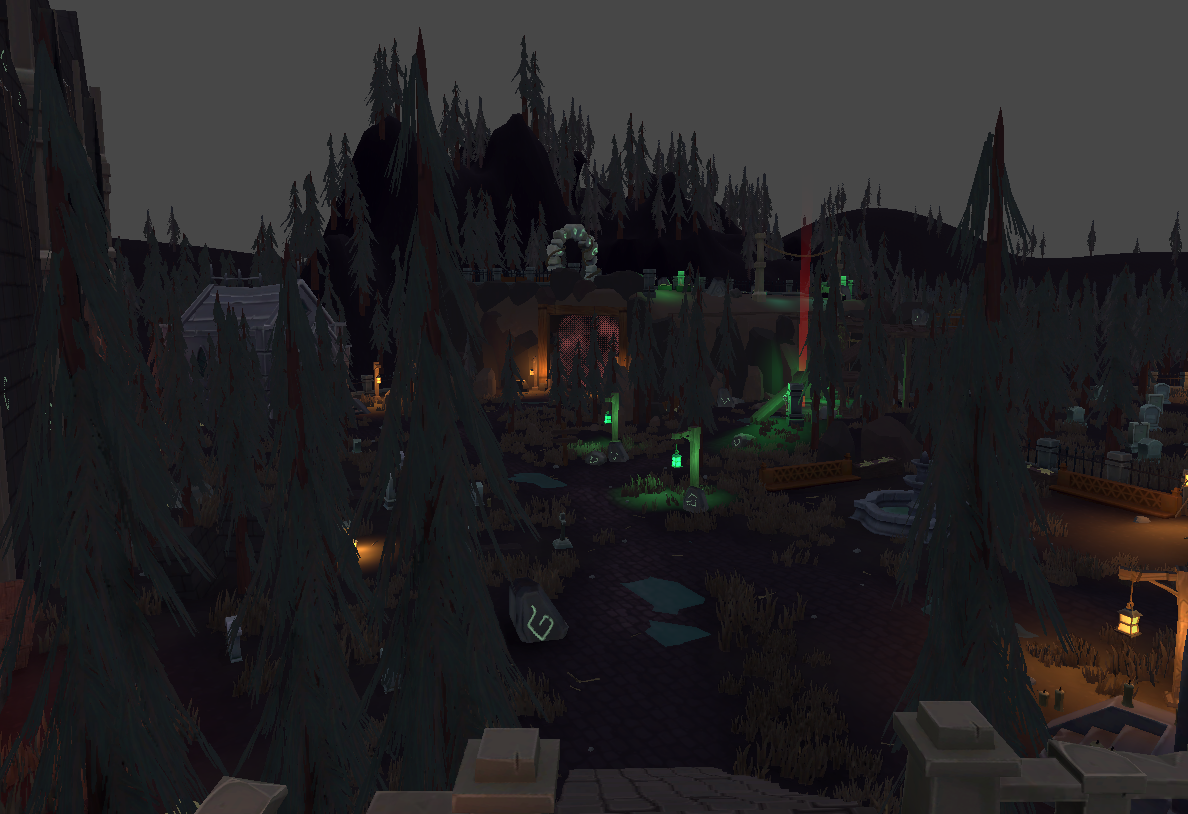
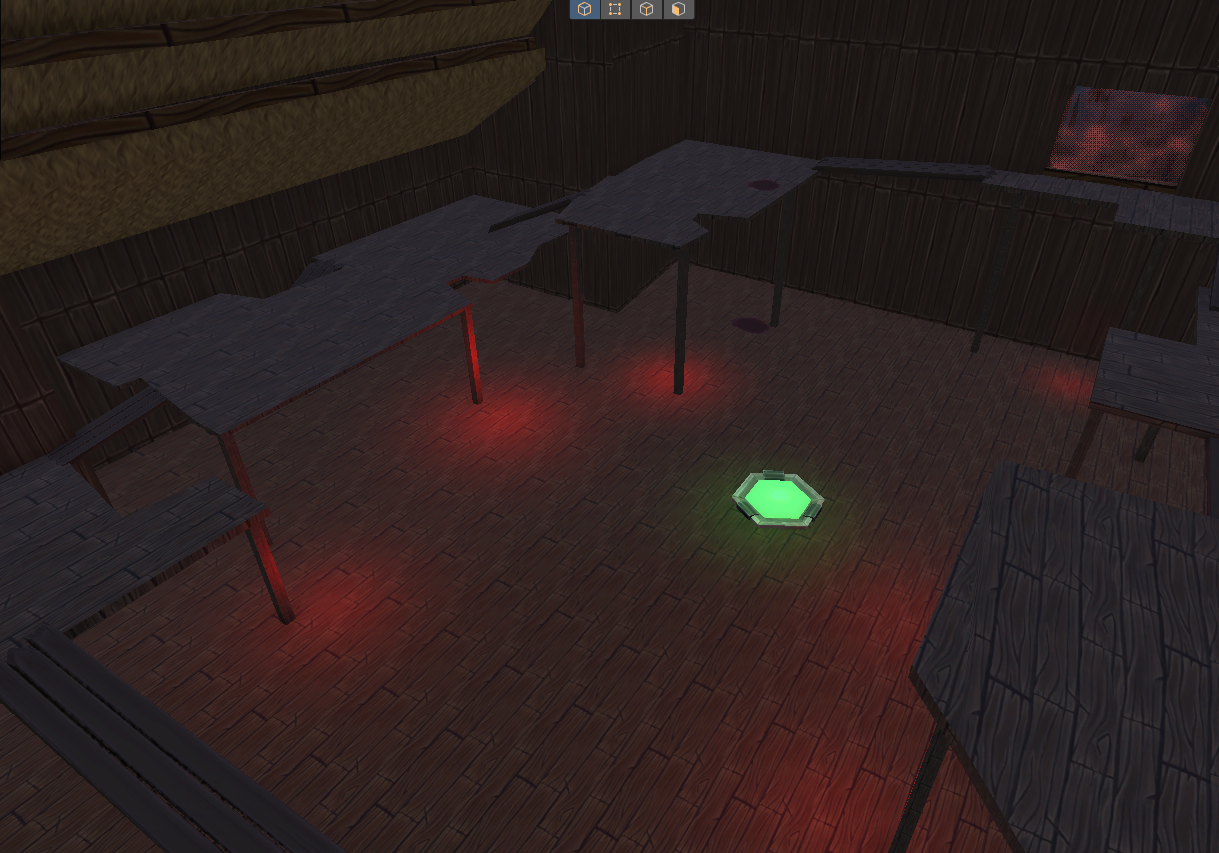
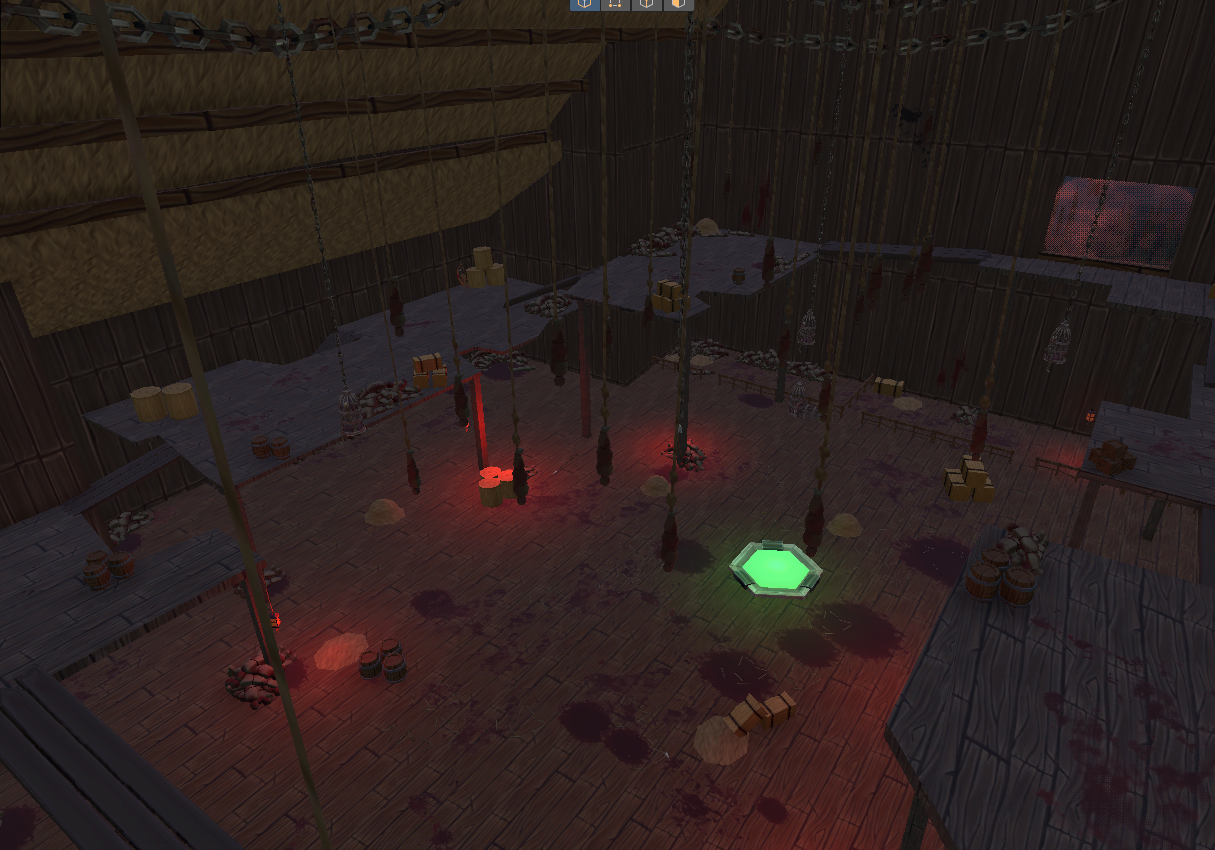
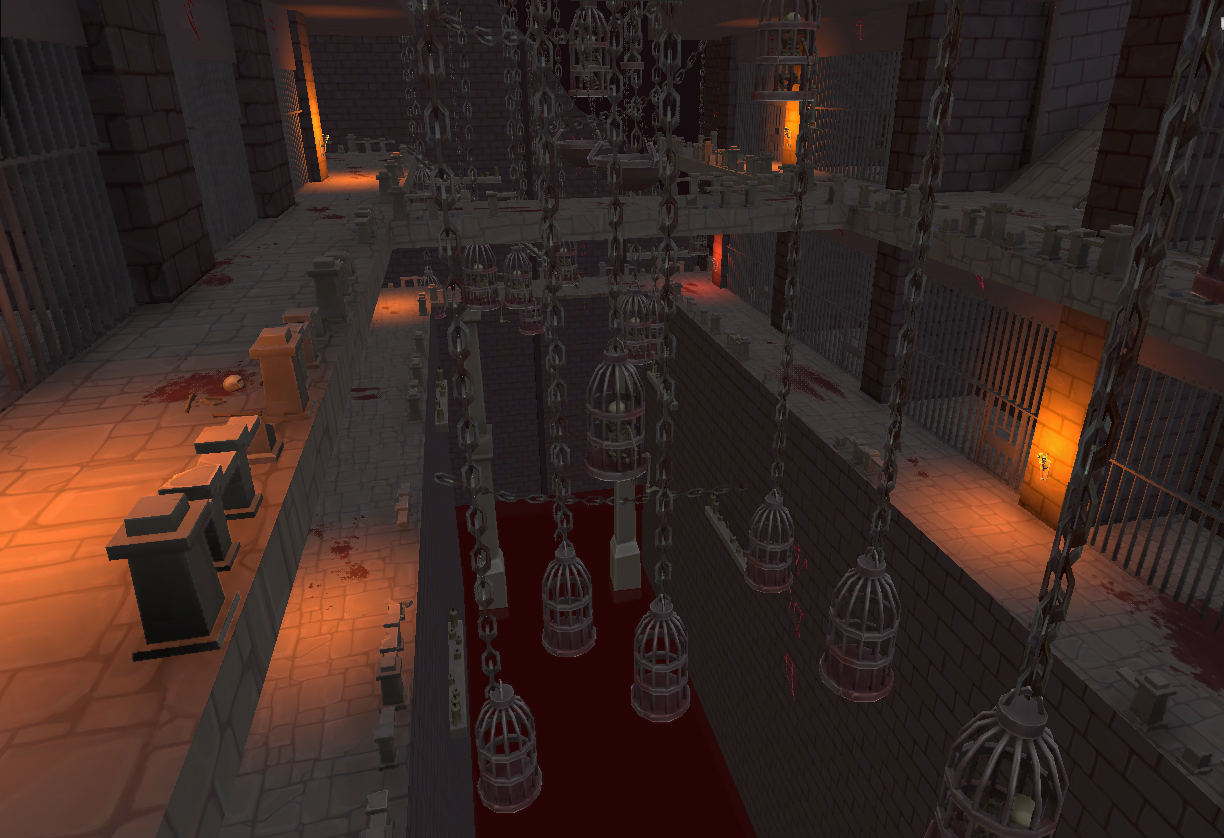
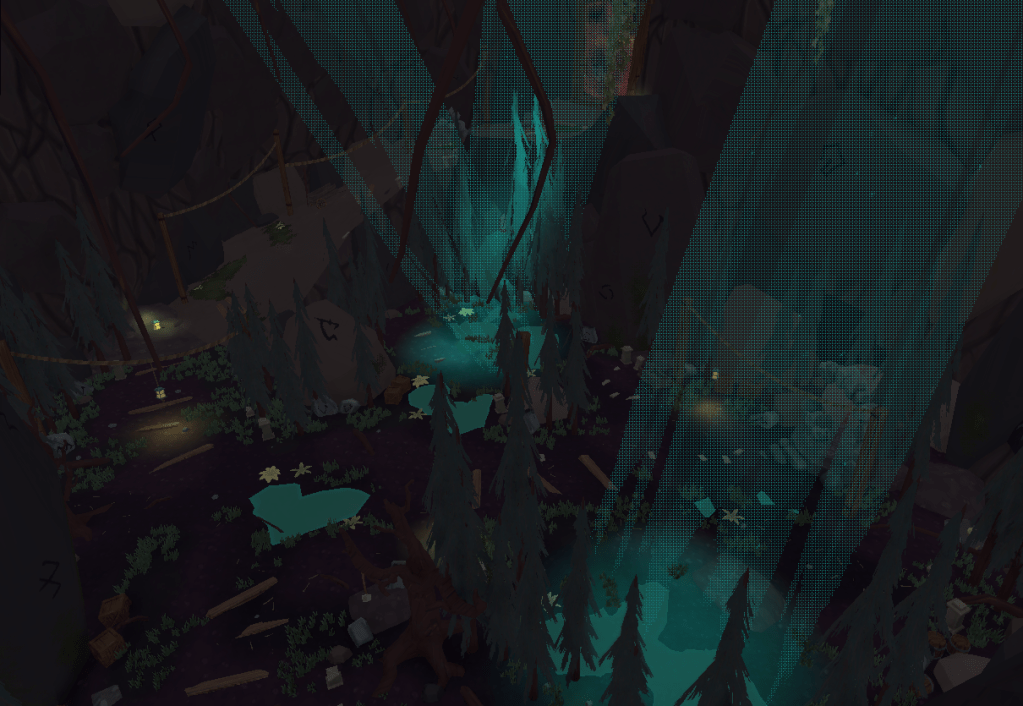
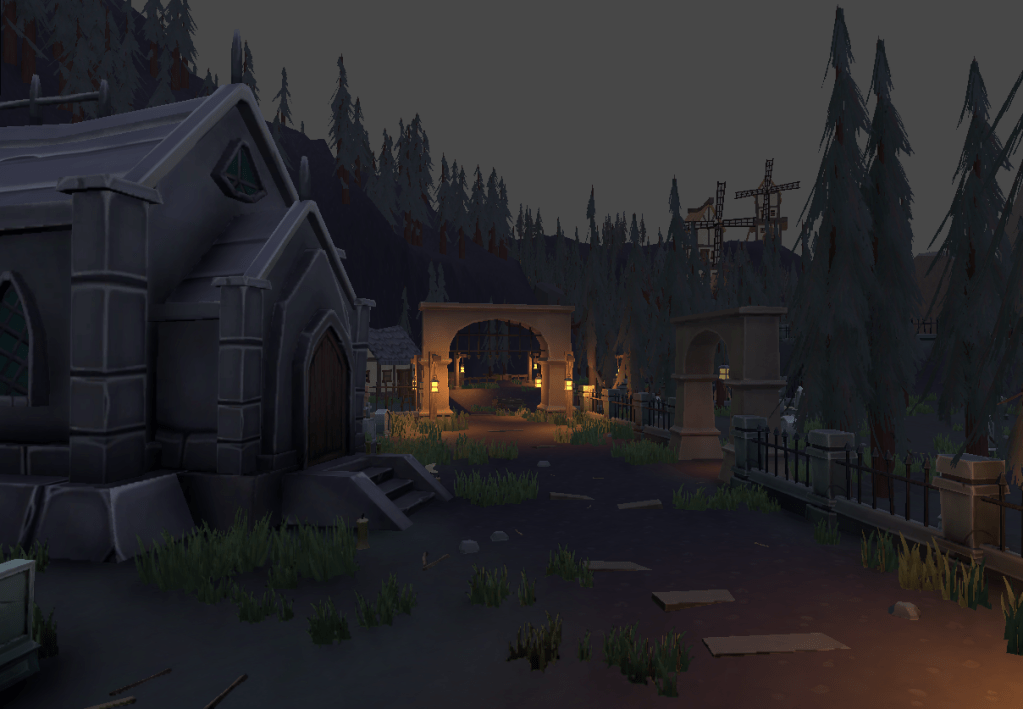
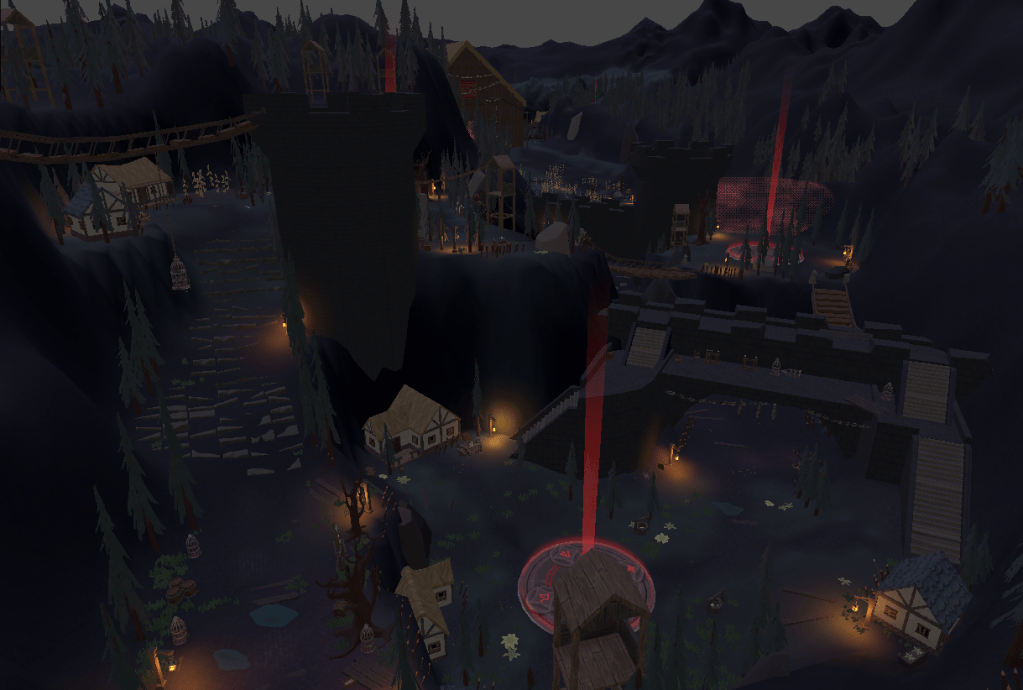
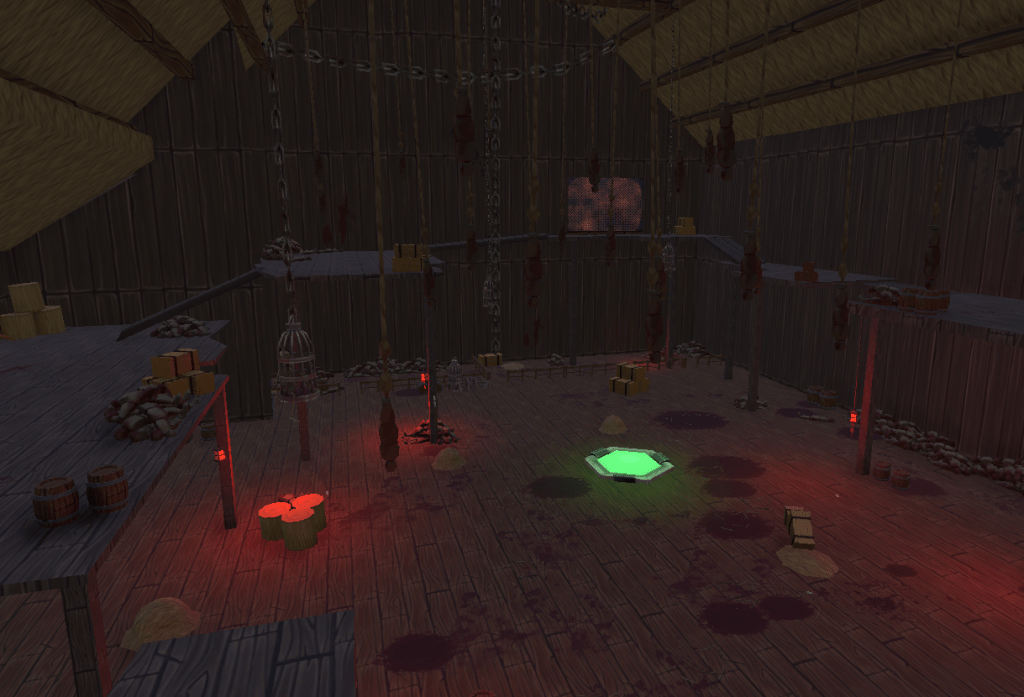
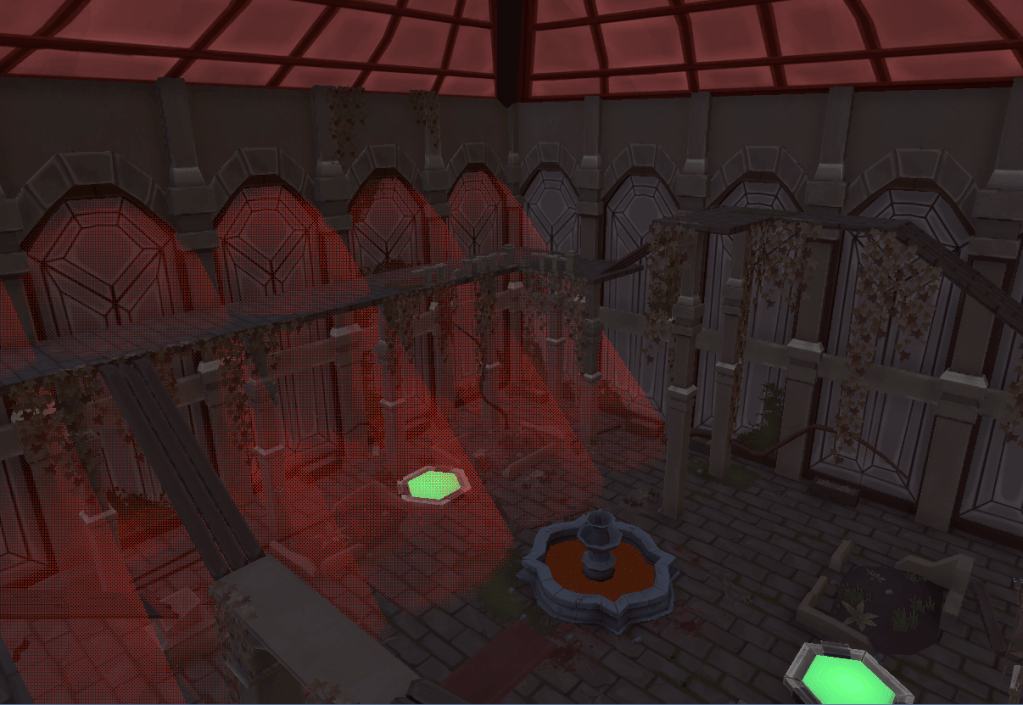
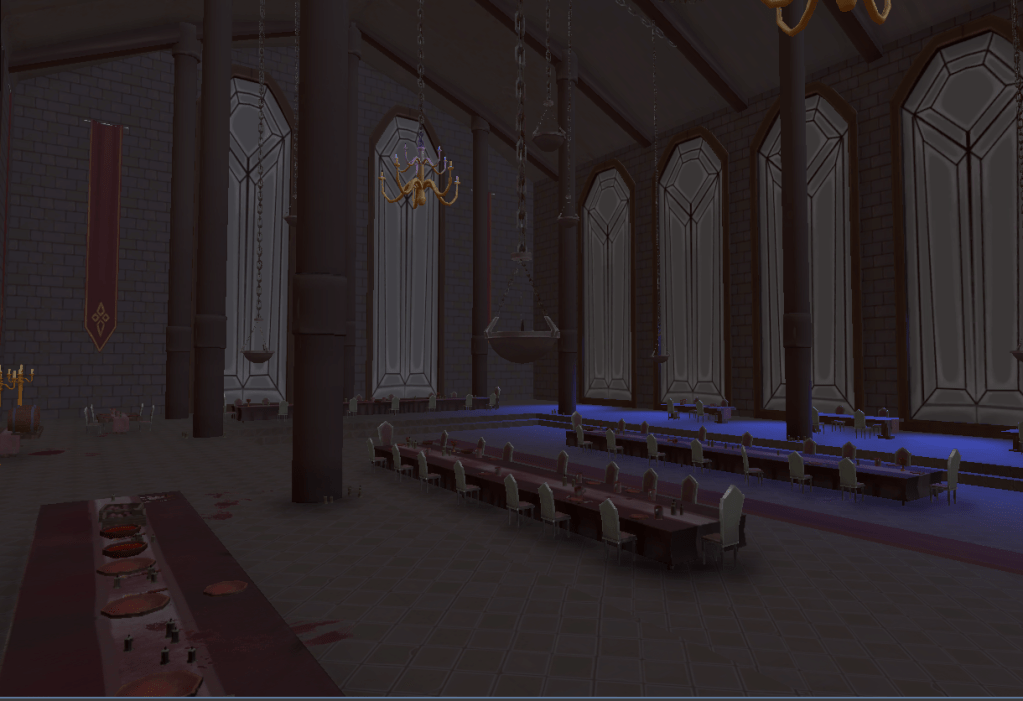
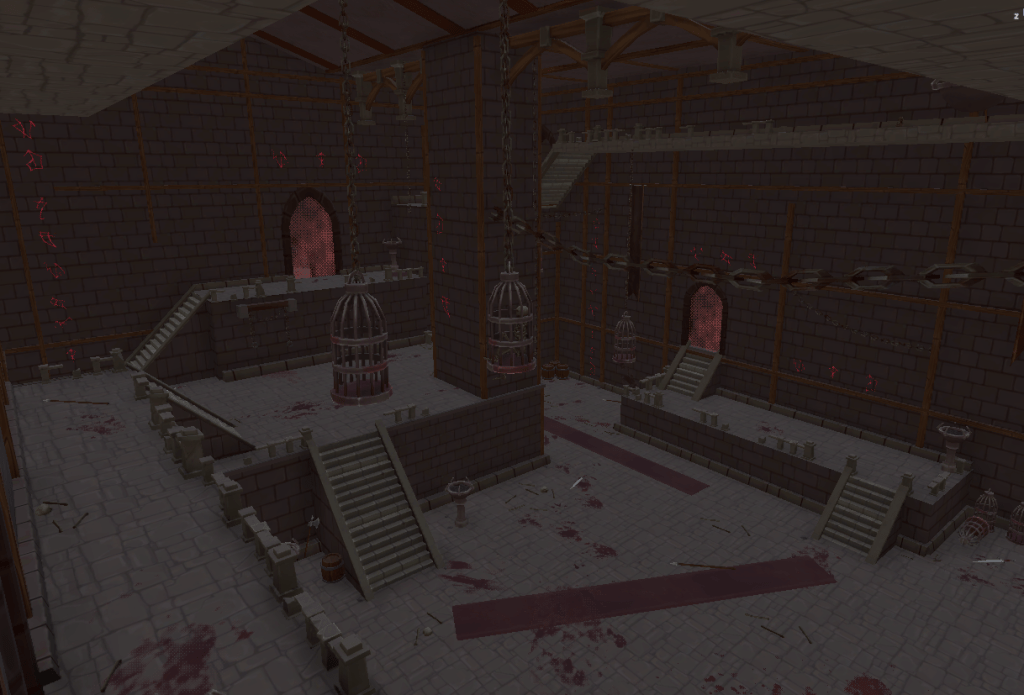
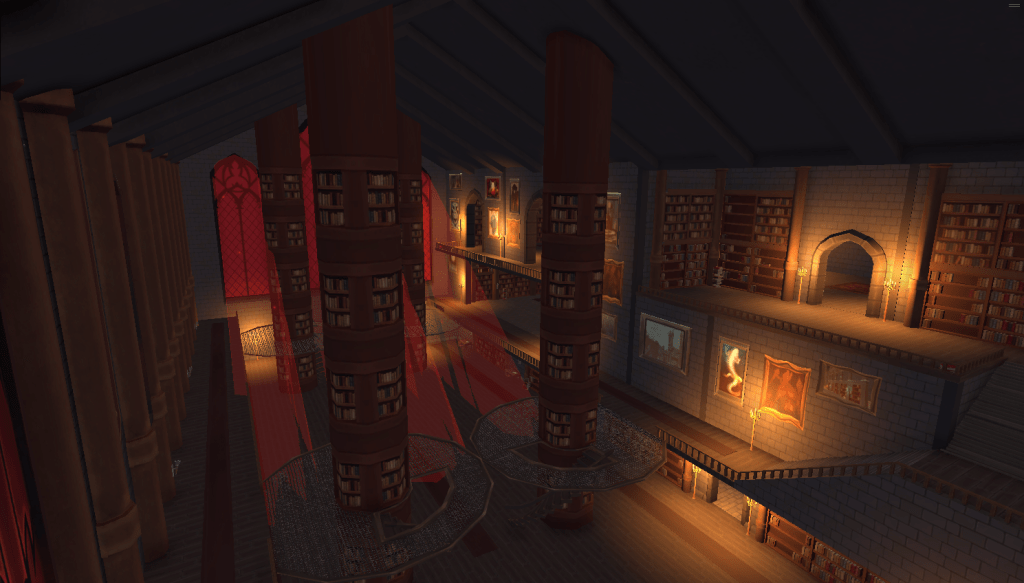
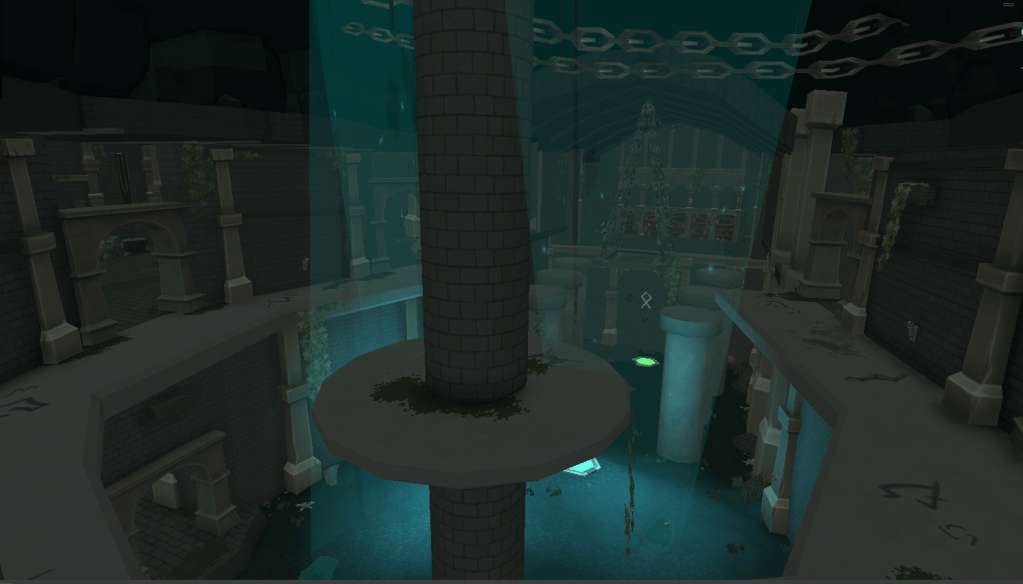
Once the general feel of a level has been nailed down and we feel good about the general use of space, we can then move on to set dressing and adding details to the level to build atmosphere and do some storytelling. I work very closely with the environment artists to construct props and other assets that fit the desired style for the level as well as maintain the integrity of the level for gameplay. I’ve found that even the seemingly small things in this area really contribute to the player experience. Lighting can guide the player through the level by giving them points of interest. Debris and other medium sized props contribute to how the player will use the space beyond what we’ve white boxed. Being careful about how these changes affect gameplay and continually playtesting during this stage is important.


Balancing and Polishing
Balancing
At this stage, its another iterative process of tweaking the mechanics to influence level design and vise versa. If you have enemy AI, you want to see how the AI uses the space. If there are adjustments that can be made so that they use the space more effectively or in a more interesting way that promotes fun gameplay, then do so! And like any other iteration process this contributes to some things that you can do within the level. Maybe if the AI composition of the area is too heavy on the melee, then you can add areas that are elevated and further back as to allow ranged AI to have more of an advantage for a more balanced encounter.
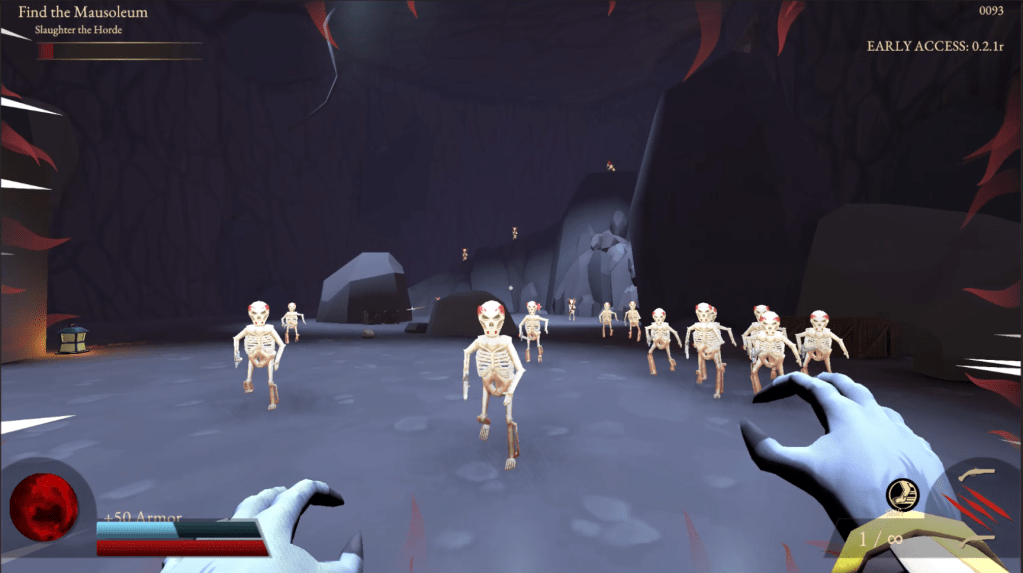

Balancing “Dreadmoon” involved a lot of AI adjustments.
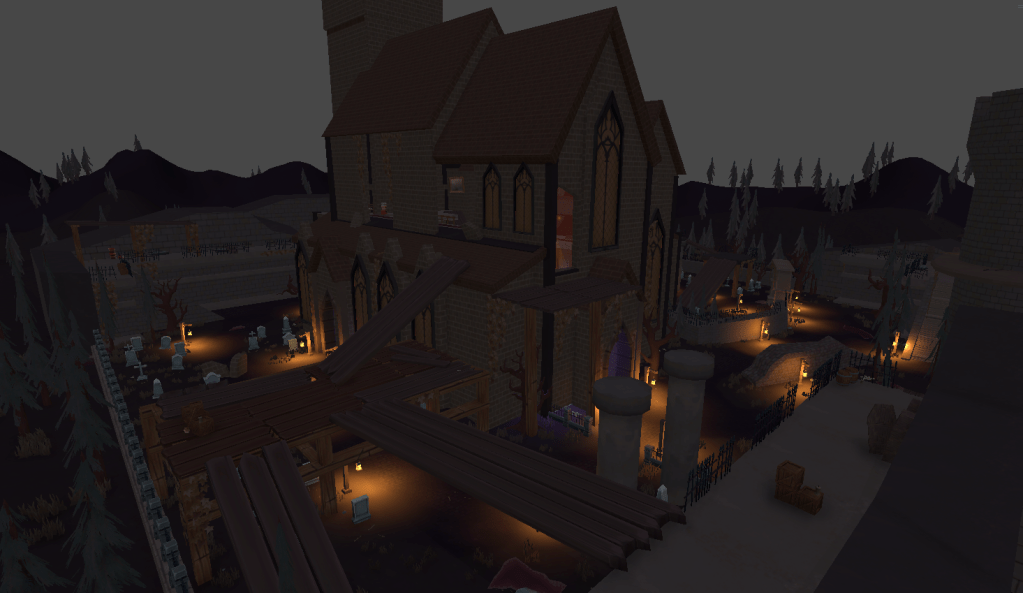
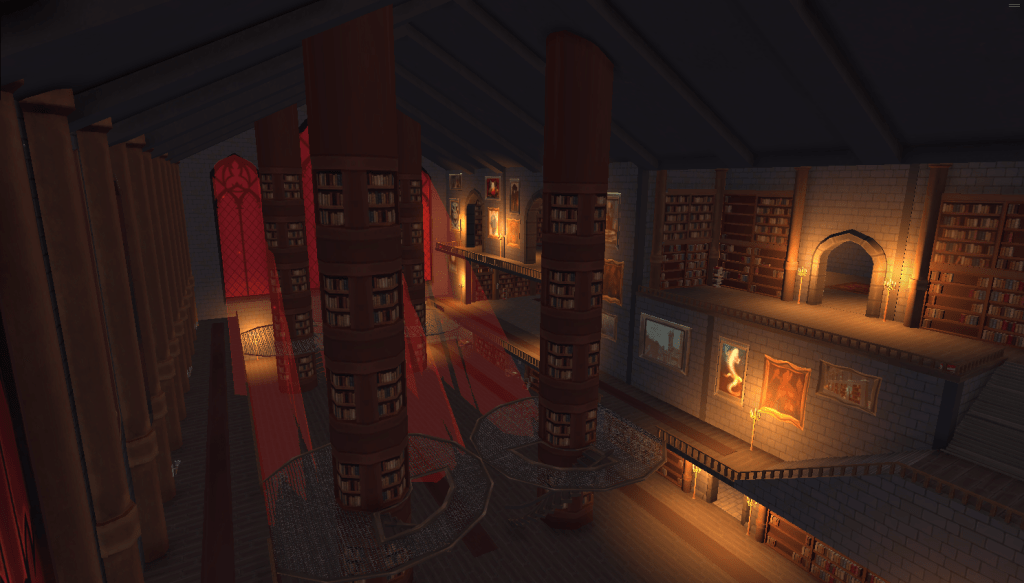
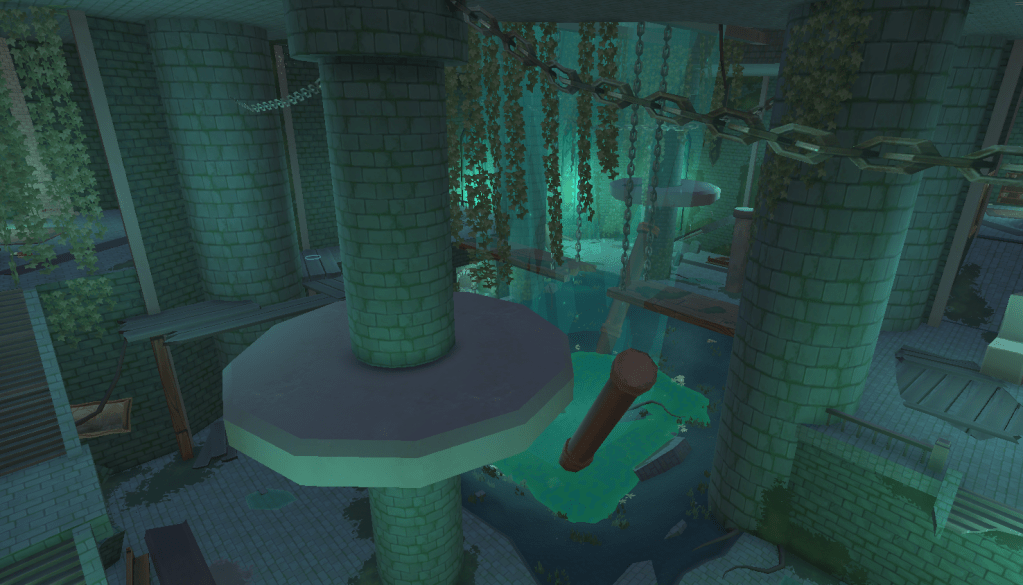
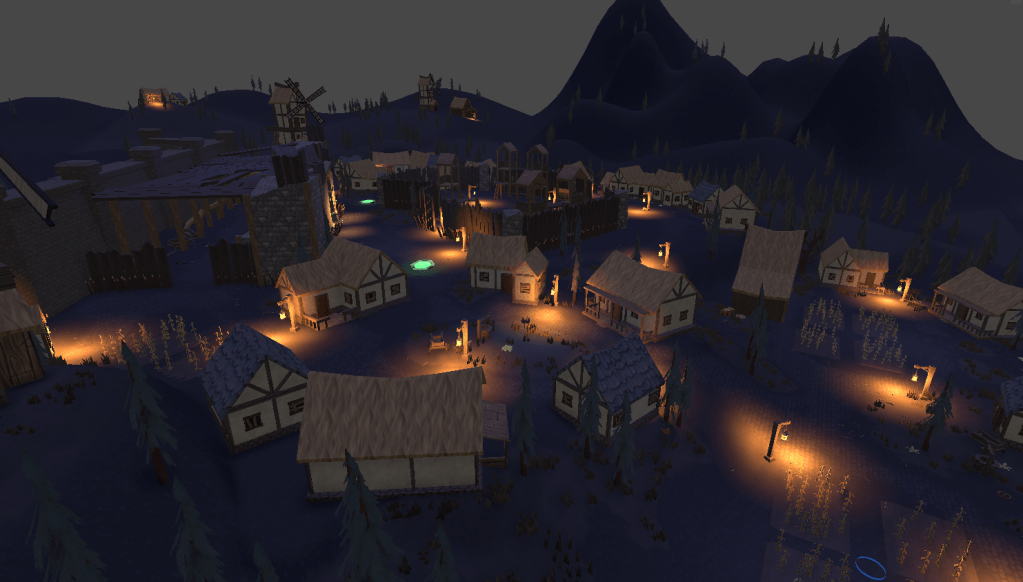
During the balancing of levels within “Dreadmoon” we had various types of enemy AI that initially utilized the space very poorly as they were relatively small compared to the space they were in. We found that if we increased the number of enemies, lowered their health and established a continual spawning method it would play into the power fantasy of being a werewolf as well as fill out the spaces. This proved to introduce more challenges as having large amounts of AI agents is really hard on performance.

Polish and Optimization
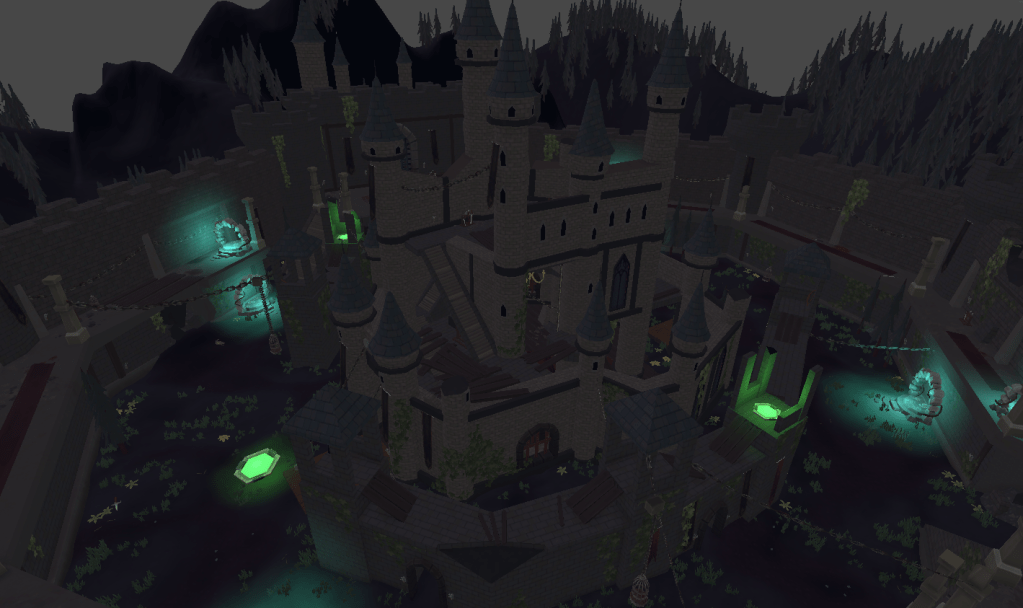
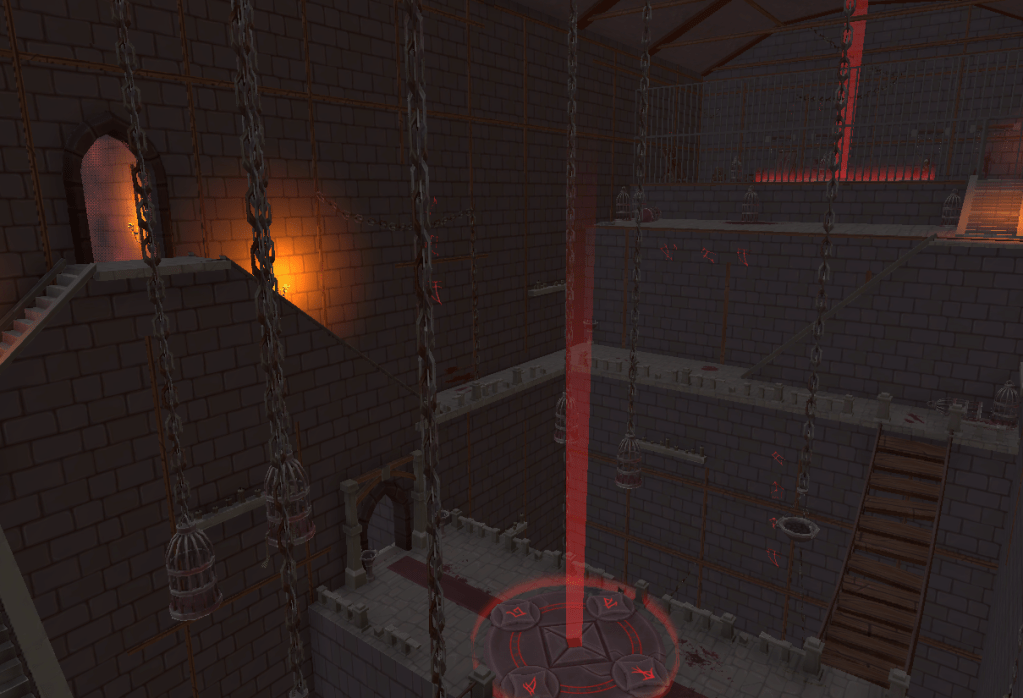
Polish in the sense of beauty comes mostly from the environment artists at this point. And optimization is a continuous process throughout, but this is the final check for both of these things. My role has been mostly focusing on optimization to ensure that the levels are performant. I’ve used techniques like occlusion culling, Level of Detail scaling and asset pooling amongst others to ensure performant levels without sacrificing quality.
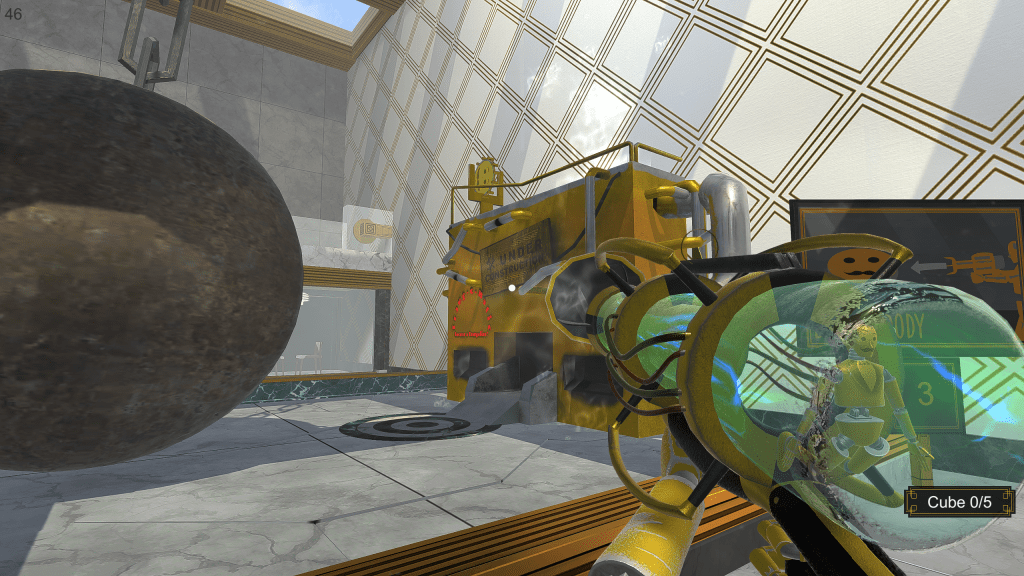
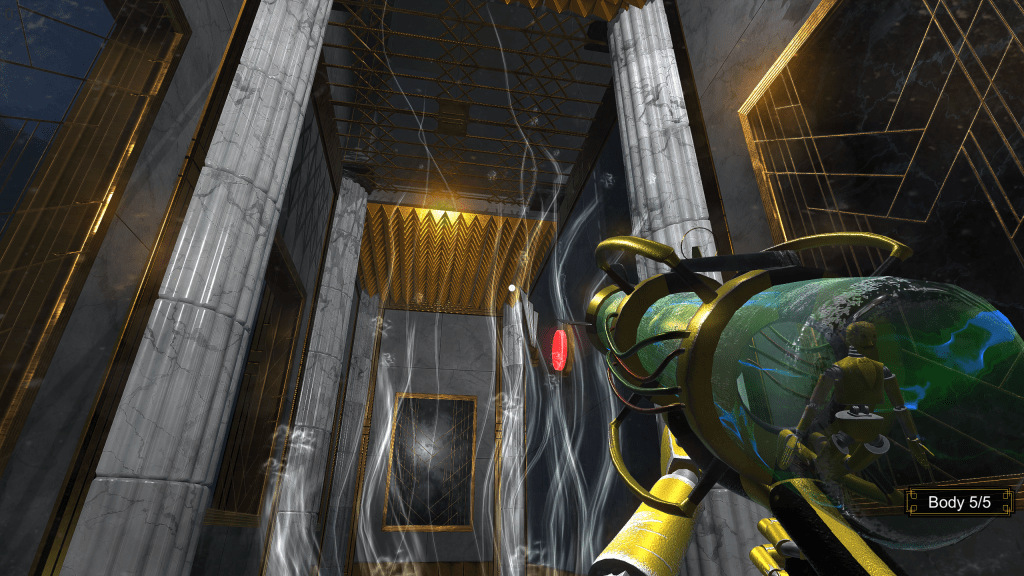
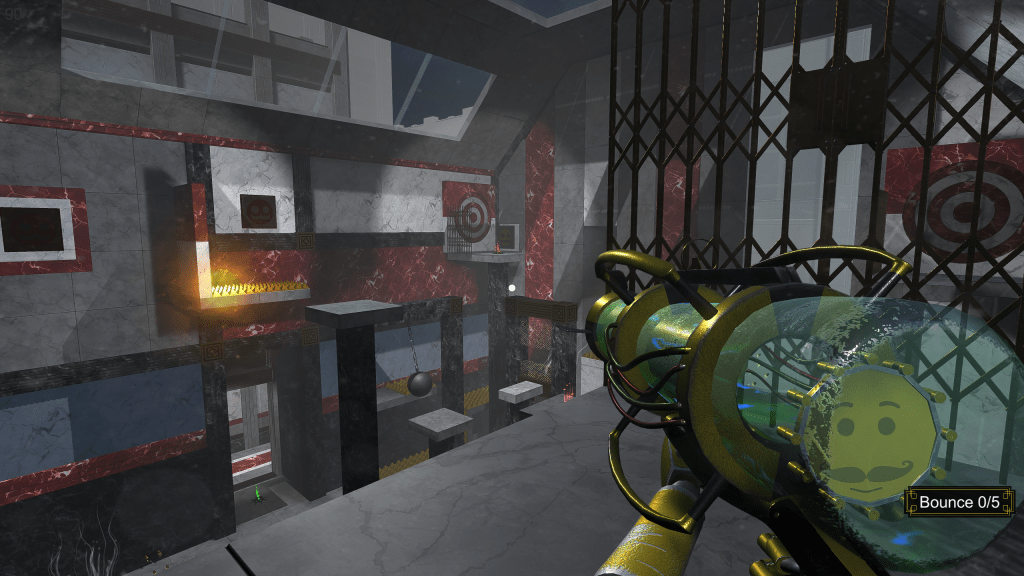
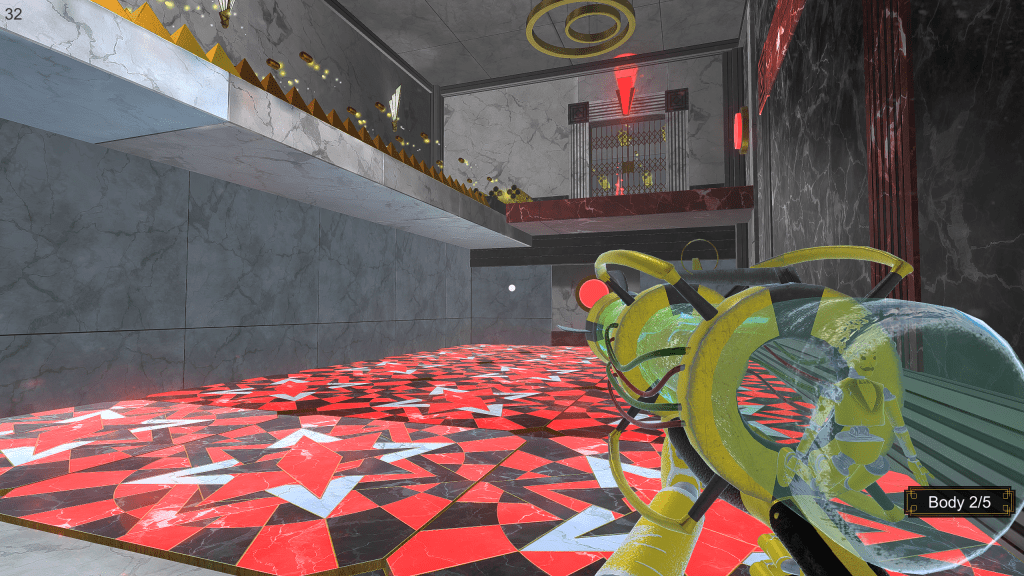
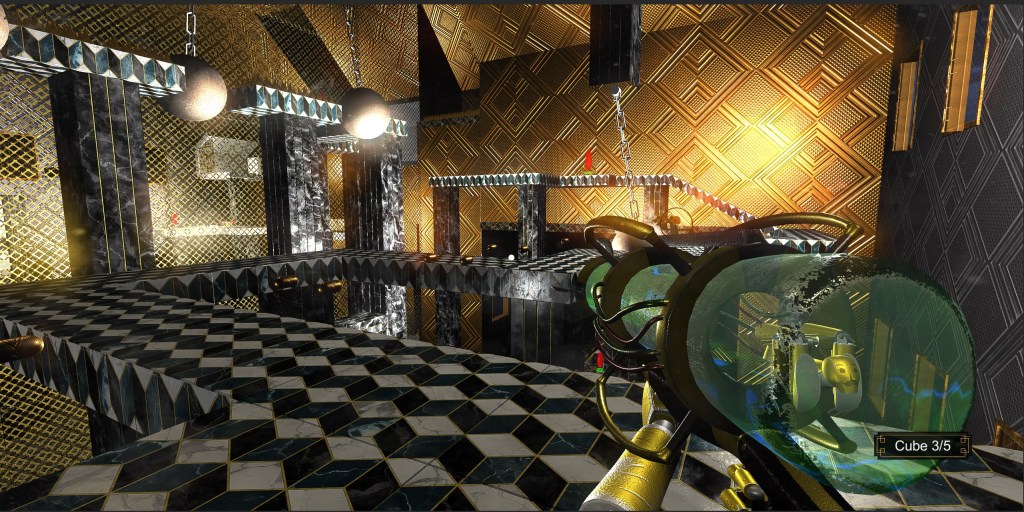
Final Products





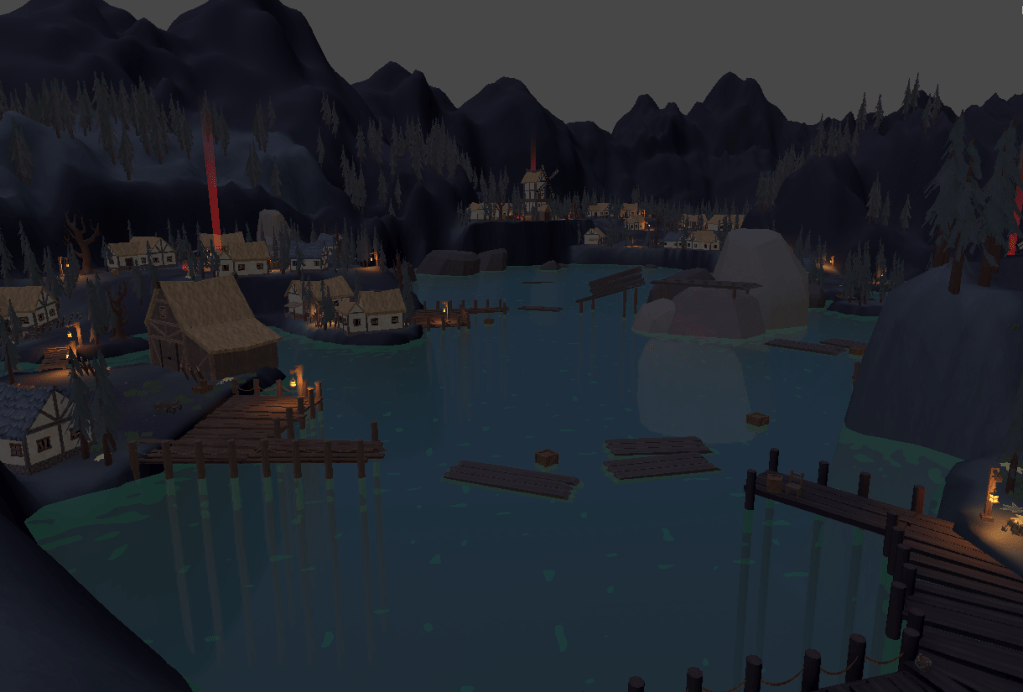
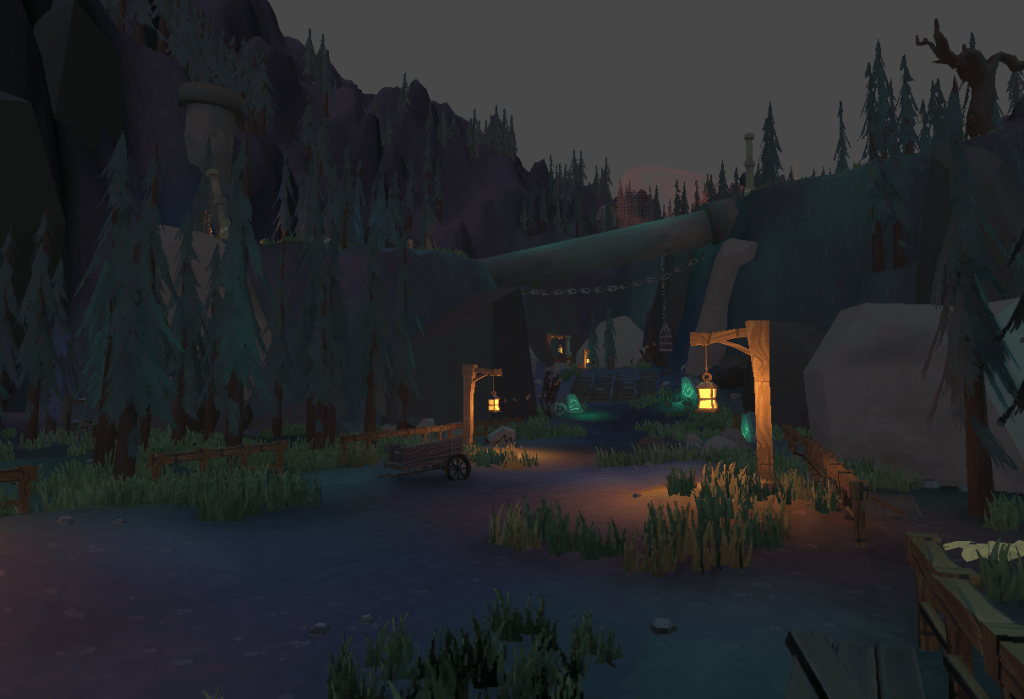


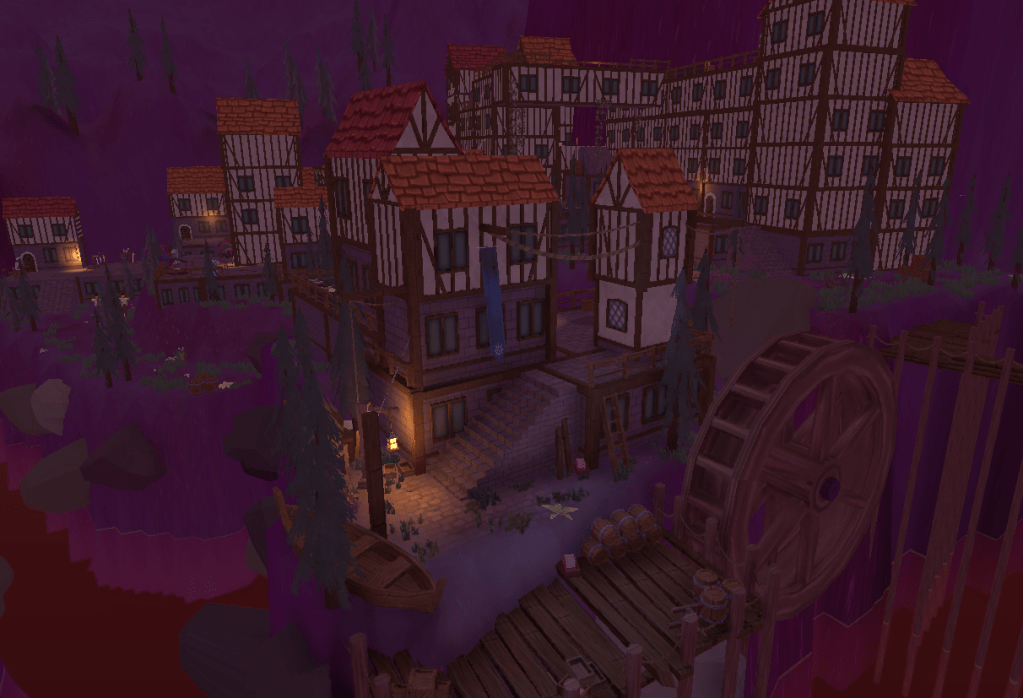
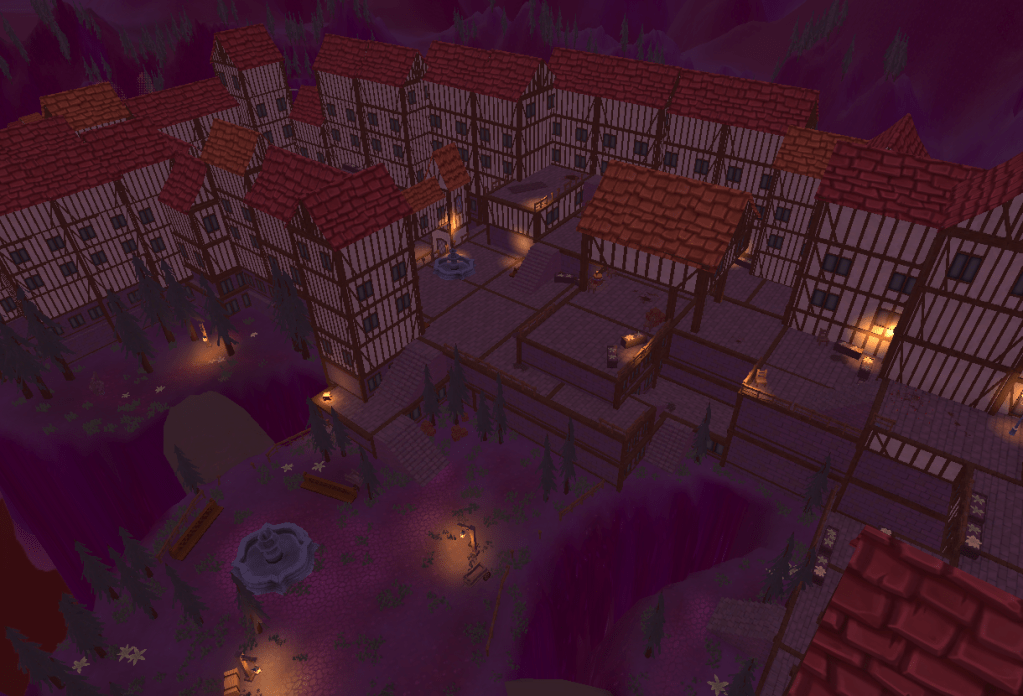


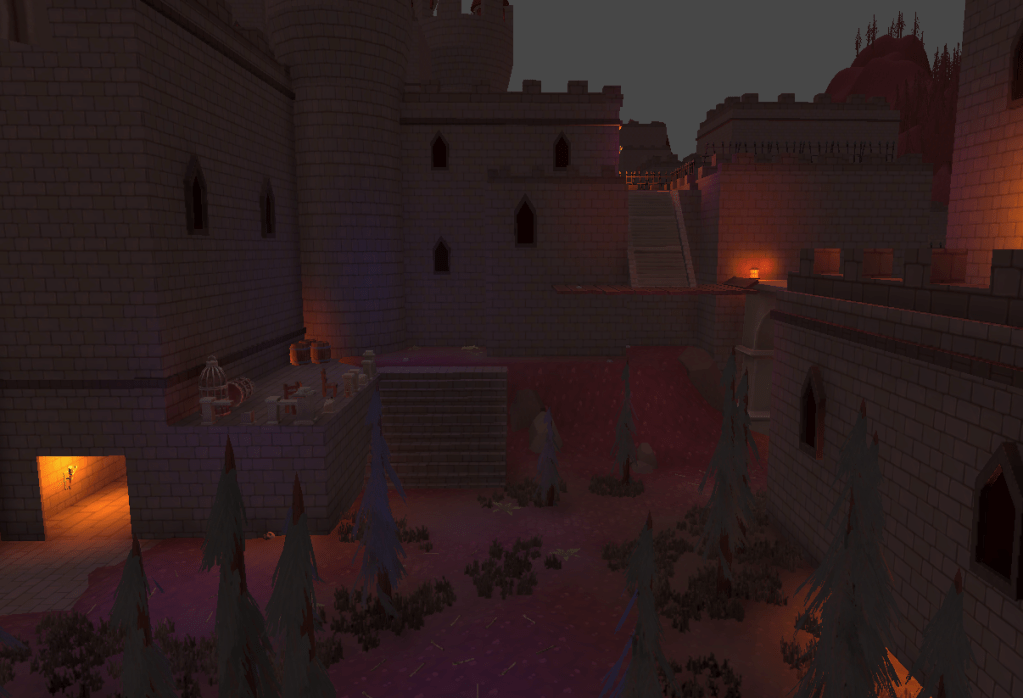
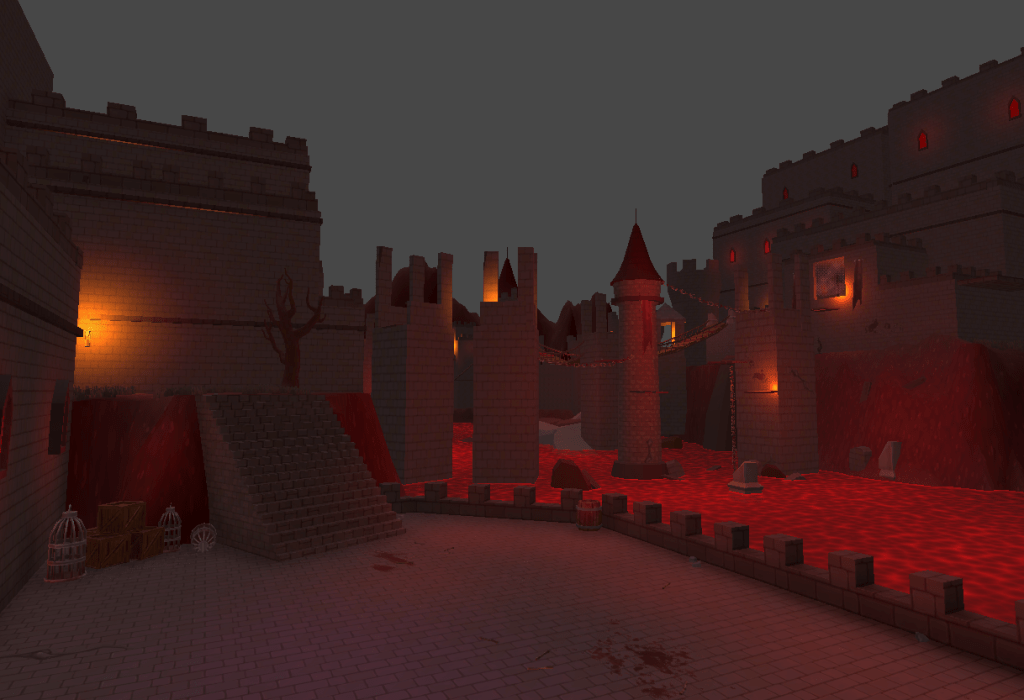
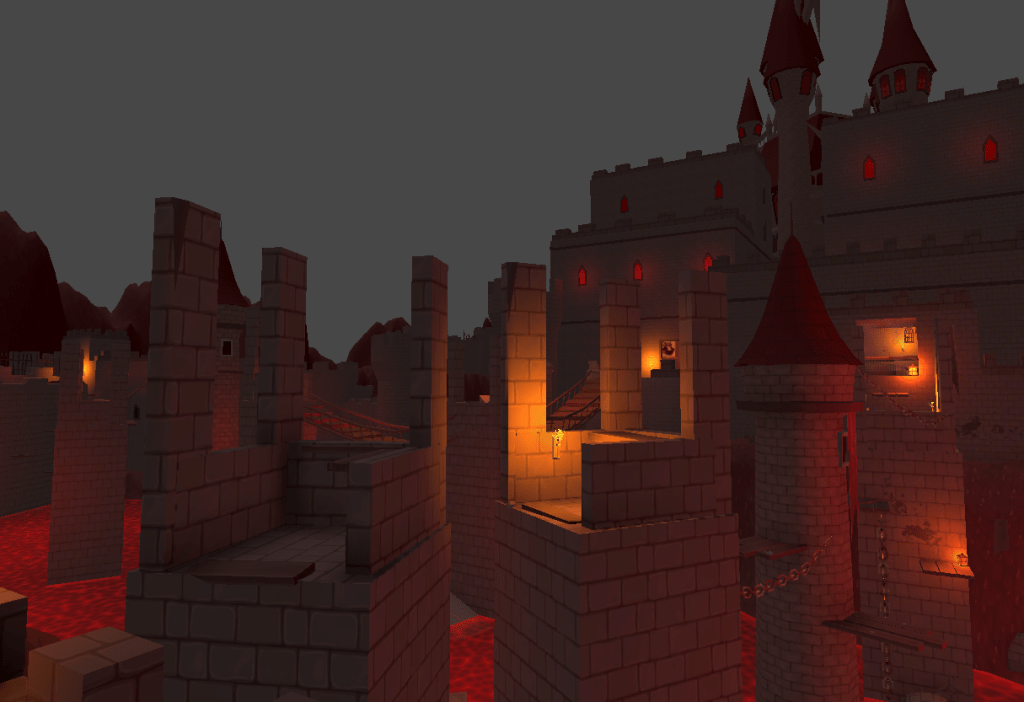

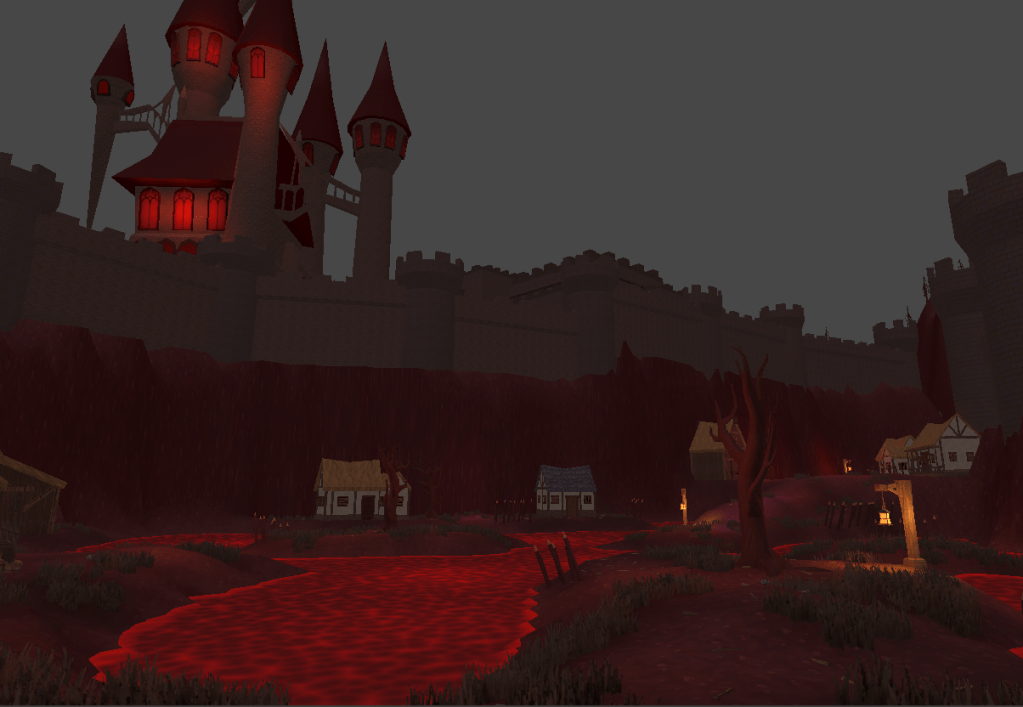







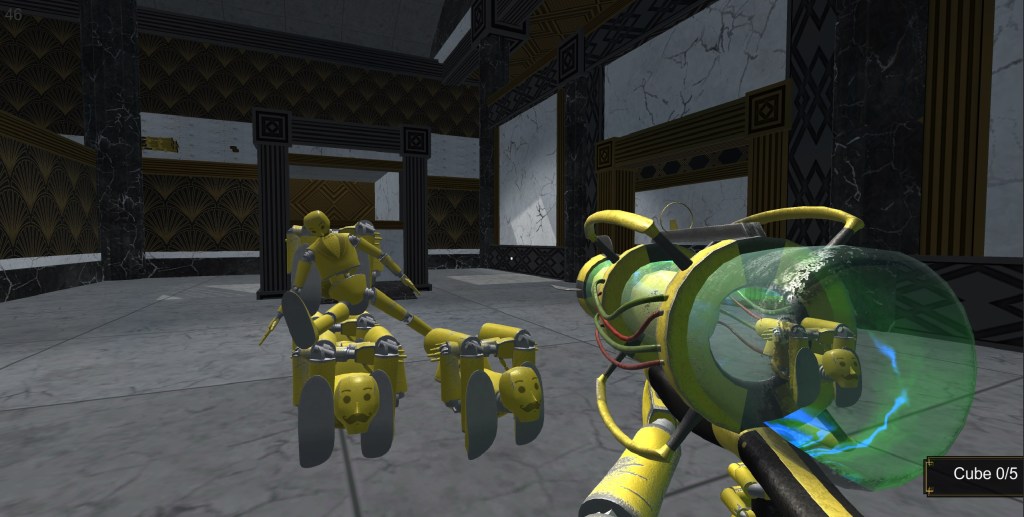
Post-Release Analysis
Getting feedback is how we grow and learn for the next time. So this step is very important if we want to continue to develop as game makers! For level design, its a pretty holistic view of all things that give you you’re feedback. It also comes with a bit of reading between the lines and extrapolating what players might mean when they say things that seem pretty general. For example, if a player says they feel like they can’t figure out where to go, then the pathing in the level is either not well conveyed or maybe something about the lighting is leading the player away from where they are supposed to be going. Is the player saying that encounters are too hard? Maybe its something along the lines of enemy balance or perhaps the area could use more health packs? There are many different ways to address problems that players are having, it is up to us as the developers to decide what solution is best.
Concepts that help me figure out what feedback means:
- What are players pain points?
- What was the intended objective vs what the player does?
- Is there something that isn’t obvious to the player that should be?
- Are players having fun?
- Are the ideas in the level easily understood? We want the design to be understood, but not expressly told.
- What is the level doing to progress a goal?
- Is the level empowering the player?
 Jesse Saunders